
A lot Can Happen in 20 Years
When I first started doing transcription, we were still using foot pedals and physical tapes. Files didn’t arrive in your inbox—they were handed over. But even as the tools have changed, one thing has remained the same: the importance of truly listening.
Over the years, I’ve transcribed everything from legal interviews to podcast conversations, medical dictations to corporate strategy sessions. What began as a quiet, behind-the-scenes job has turned into a career built on trust, precision, and a deep respect for people’s words.
This post isn’t about trends or technology. It’s about what I’ve learned day after day, year after year, to do the work. The kind of work most people never see but always need.
Then vs. Now — How the Industry (and I) Evolved
When I started, I was deep in the legal world, transcribing depositions, court hearings, and witness interviews. The audio was formal, fast-paced, and often full of overlapping voices and legal jargon. It taught me to listen closely and anticipate patterns. For 15 years, that was my day-to-day: head down, headphones on, accuracy above all.
But after a while, I felt the need for a change. I had always loved the creative side of things, specially design and presentation work. I’d found myself putting extra care into formatting PowerPoint slides, even when it wasn’t required. So, I made the leap. I left the legal world to explore more creative opportunities, particularly in PowerPoint design and visual communication. I wanted to stretch beyond strict legal formatting and dive into the business world, where presentation and messaging mattered just as much as precision. I wasn’t sure exactly where it would take me, but I knew I wanted to be part of something broader, more strategic, and creatively engaging.
Tools of the Trade
Over the years, I’ve used everything from Express Scribe and traditional foot pedals to cloud-based tools like Otter. For a while, Otter was great for helping clean up rough audio. But over time, the quality slipped. I noticed missed sections, dropped content, and inconsistencies that I couldn’t trust for client work. I’ve since returned to manual transcription methods I know I can count on, with a few light tech assists for efficiency.
In many ways, the tools evolved, but so did I. I swapped cassette tapes for digital uploads, and physical storage for cloud-based folders. While I still transcribe from scratch, I’ve become more efficient in how I organize files, prep projects, and deliver polished transcripts. But no matter how the tools change, good transcription still depends on one thing: a trained ear.
What Transcription Really Requires (Beyond Typing)
People often assume transcription is just fast typing. And while yes, typing speed helps, it’s just the beginning. Good transcription requires deep listening. You need to pick up on accents, background noise, and fragmented speech, and still deliver something clean and coherent. It means catching filler words when needed, understanding when to smooth things out, and knowing the difference between a spoken thought and a written sentence.
Then there’s formatting. Depending on the client, that might mean timestamps, speaker labels, or very specific template guidelines or instructions. You learn to follow instructions to the letter and to catch the things the client didn’t even know to ask for.
Above all, transcription takes patience. Some files are crystal clear, others are a challenge: poor audio, overtalk, heavy accents, or unclear speakers. It’s in those files that skill shines through, not just technical skill, but emotional steadiness. You keep going. You don’t guess. You don't interpret. You type what you hear.
It’s quiet work and focused work. And like many “invisible” services, the better it’s done, the less people notice it.
What Clients Often Don’t Realize
Most clients hit “record” and hope for the best. And to be fair, they’ve got a lot going on. But what they often don’t realize is that the quality of the transcript starts before the audio ever reaches my desk.
The environment matters. Recording in a quiet room versus a café or a car makes a world of difference. Even the hum of a ceiling fan or a phone buzzing on a table can muddy an otherwise clear file.
Equipment matters too. A built-in laptop mic might work in a pinch, but an external microphone—positioned 6 to 10 inches from the speaker—can drastically improve clarity. That little bit of intentional setup can mean the difference between a transcript that flows and one that’s full of “[inaudible]” markers.
And then there’s the human side. Interviewers sometimes forget they’re part of the recording. They’ll talk over the guest, shuffle papers, or mumble follow-ups. Those habits can cause entire responses to get lost in the noise.
As transcriptionists, we do everything we can to salvage tough audio. But what clients don’t always see is the time spent rewinding, replaying, and reconstructing fragmented dialogue. It’s not about being picky, it's about delivering something you can use.
A little preparation goes a long way. And when clients take just a few extra steps, the result is a transcript that doesn’t just capture the conversation, it elevates it.
Why I Still Love This Work
Over the years, people have asked me, "Why not find something else?" Sometimes it comes from a place of concern. They hear about inconsistent pay or long hours and assume I must be burned out. But the truth is, I love what I do.
Transcription suits me. I like working quietly, behind the scenes, without constant distractions or noise. It's focused work—and that’s exactly what I’m drawn to. I listen to conversations most people never hear: emerging technologies, raw and powerful interviews, historic moments in the making, and intimate stories being told for the very first time. In many ways, I feel like I have a front-row seat to the world.
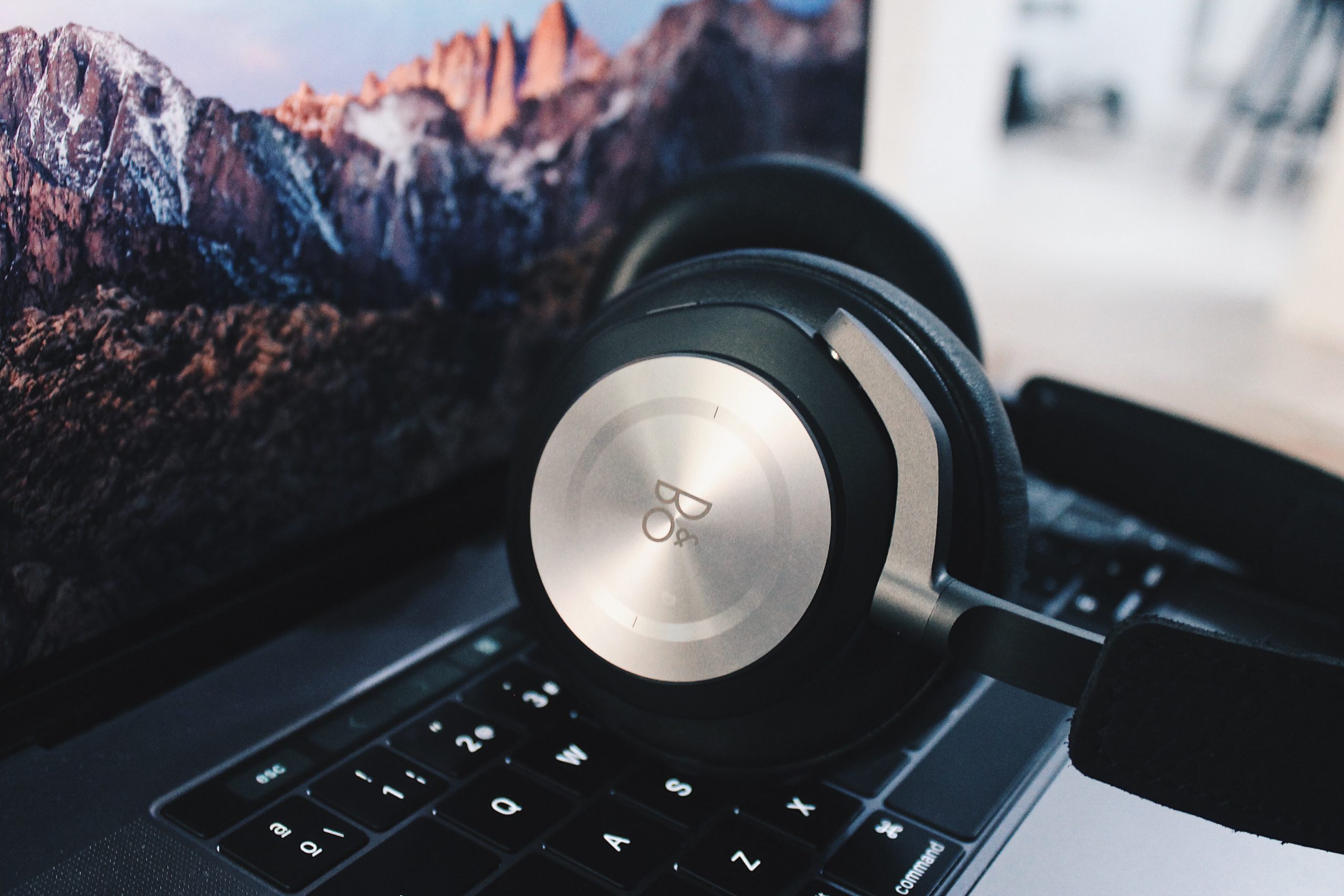
I learn something new every day. I hear things before they hit the headlines. I catch nuances that remind me how complex and fascinating people really are. And while it may not be loud or flashy, this work makes an impact. It preserves, documents, clarifies, and connects. And that’s why I’m still here after 20 years, still showing up, headphones on, ready to listen.
Ready to work with someone who’s been listening for over two decades?
If you’re looking for a transcriptionist who understands nuance, delivers clean results, and treats every file with care—let’s talk. Whether it's for your podcast, legal team, business meetings, or research interviews, I’ve got you covered.
 Contact me to request a quote or ask a question.Quiet professionalism. Clear results.